



Advanced Fabric Dyeing Techniques: Beyond the Basics
Once you've mastered fundamental dyeing principles, advanced techniques open remarkable creative possibilities. These methods demand greater skill and attention to detail, but the results—sophisticated color effects, precise patterning, and artistic control—justify the effort. This guide explores techniques that distinguish experienced dyers from novices.
Discharge Dyeing: Removing Color to Create Impact
Discharge dyeing removes color from already-dyed fabric, creating striking patterns and effects. Rather than adding color, you're strategically eliminating it to reveal underlying fabric or create contrasting lighter areas against dark backgrounds.
Chemical Discharge: Sodium hydrosulfite (sodium dithionite) is the most common discharge agent. Dissolve it in an alkaline solution (using soda ash), immerse dyed fabric, and maintain warm temperatures (140-160°F / 60-70°C). Colors fade where the discharge agent contacts the fabric. By masking areas with wax, starch, or paste, you control exactly which sections discharge, creating precise patterns.
Bleach Discharge: Household bleach removes color from some dyes but not others, making it a more selective tool. Dilute bleach (1 part bleach to 10 parts water), carefully apply to dyed fabric, and rinse immediately to stop the discharge process. This method works exceptionally well on synthetic dyes but is less effective on natural dyes.
The challenge of discharge lies in achieving even, controlled results. Fabric type, original dye type, and solution consistency all dramatically affect outcomes. Extensive testing on scraps is essential before attempting discharge on finished pieces.
Overdyeing: Layering Colors for Complexity
Overdyeing—dyeing previously dyed fabric with additional colors—creates sophisticated, multi-dimensional color effects impossible to achieve in a single dye bath. Each color layer reacts differently with the underlying base color, producing entirely new hues.
Color Prediction: Understanding color layering follows the principle of light absorption. A yellow-dyed fabric overdyed in blue produces green (yellow's light reflects plus blue's light reflects). However, the saturation of underlying colors and application temperature affect results dramatically, making testing essential.
Graduated Effects: Partial immersion creates gradient overdyeing—one end of fabric fully overdyed, transitioning to original color at the other end. This technique, combined with temperature variation, produces incredibly complex, naturalistic color transitions.
Sequential overdyeing—dyeing in multiple colors over several sessions—allows unprecedented control. Between sessions, observe results and adjust strategy. This layering approach is particularly effective with natural dyes, which interact in unique ways.
Space Dyeing and Segment Dyeing
Space dyeing (also called segment dyeing when applied to yard goods) creates multiple colors along the length of yarn or fabric by dyeing different sections in different colors while maintaining control over where colors begin and end.
The Process: Section your fabric or yarn using clips, rubber bands, or wraps to create distinct areas. Dye each section in a different color without removing the fabric from the bath—you're working with sections of one continuous piece, not separate items. The result is predetermined color placement along the fabric length, ideal for creating striped or segmented effects in final garments.
Advanced practitioners combine space dyeing with temperature variation, creating color shifts within each section. This technique requires careful measurement and planning but produces spectacular, intentional color effects when executed well.
Micro-Dyeing and Variance Techniques
Rather than uniform color saturation, some dyers intentionally embrace variance—slight color differences creating visual interest and texture. This technique celebrates fiber variation rather than fighting against it.
Dilute Baths: Using very dilute dye baths allows some fiber areas to absorb more color than others, creating natural color variation. Gentle stirring, inconsistent fabric position in the bath, and brief dyeing times enhance this variance.
Spot Dyeing: Applying dye to specific areas of fabric while dry or with minimal water creates localized color bursts. This technique works beautifully when combined with natural fibers and plant-based dyes, which diffuse organically through fabric fibers.
Temperature-Gradient Dyeing
Exploiting the sensitivity of some dyes to temperature variations creates natural color gradation. As dye bath temperature fluctuates during dyeing, dye absorption changes, creating subtle color shifts.
The Technique: Position different sections of fabric in different temperature zones of the dye bath—hotter areas near the heat source, cooler areas at the periphery. Colors develop more intensely in warmer areas, creating a gradient from light to dark without any manual intervention.
This requires careful bath setup and patience, but produces stunningly natural-looking color transitions impossible to achieve through forced blending.
Resist Dyeing Variations
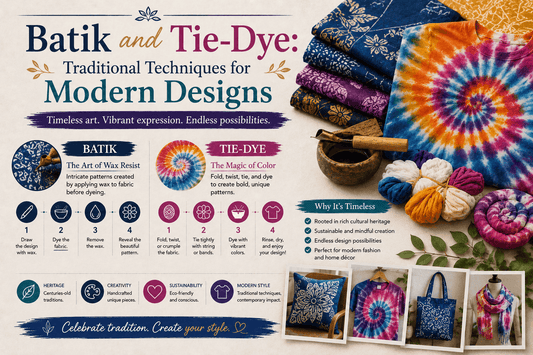
Beyond basic tie-dye, sophisticated resist techniques create incredibly complex patterns. Shibori (Japanese traditional) includes countless resist variations—folding, binding, clamping, and stitching create predictable but infinitely variable patterns.
Tritik: Stitching through fabric, gathering tightly, and dyeing creates distinctive linear patterns. The dye doesn't penetrate gathered sections, creating negative space patterns along stitch lines.
Plangi: A form of resist-tie dyeing using objects (stones, beads, shells) wrapped into fabric creates circular pattern clusters. Varying object sizes and placement density creates entirely unique compositions.
These techniques demand patience and precision, but reward meticulous execution with absolutely one-of-a-kind results.
Combining Multiple Advanced Techniques
Sophisticated dyers combine multiple techniques within single projects. Imagine a fabric that begins with a base indigo overdye, includes space-dyed sections, incorporates discharge patterns, and finishes with small spot-dyed accents. The complexity possible when combining techniques is virtually unlimited.
Such layered work requires extensive planning, detailed documentation, and willingness to embrace unexpected results. Mastering advanced techniques is as much about developing intuition through repeated practice as understanding chemistry—you learn what's possible through experimentation and failure, gradually building expertise that enables confident artistic expression.
Tags:
Previous
Batik and Tie-Dye: Complete Guide to Creating Stunning Patterns
Next
Fabric Dyeing Trends 2026: Sustainability, Technology, and Innovation