



Fabric Dyeing Trends for 2026: What's New and What's Next
The fabric dyeing industry is experiencing a fascinating evolution as sustainability concerns, technological innovation, and artistic creativity converge. Understanding the emerging trends of 2026 helps you stay ahead of the curve, whether you're a hobbyist dyer, professional textile artist, or small business owner. These trends represent the future direction of the craft and reflect changing consumer values.
The Sustainability Shift
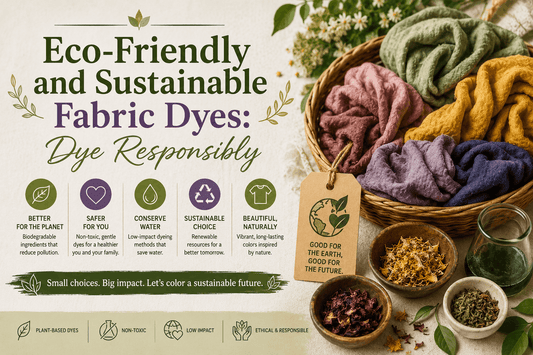
Eco-consciousness continues to dominate industry conversations. In 2026, we're seeing unprecedented demand for sustainably produced, naturally dyed textiles. Consumers actively seek fabrics dyed with renewable, low-impact methods, driving innovation in sustainable dyeing practices.
Zero-waste dyeing methodologies are moving from niche practice to mainstream adoption. Techniques that minimize water usage—steam dyeing, dry dyeing, and fermentation-based processes—are gaining sophisticated refinement. Simultaneously, closed-loop water systems in production facilities are becoming industry standard rather than exception.
Natural Dye Renaissance
Natural dyes have experienced a remarkable resurgence, particularly among conscious consumers and artisanal producers. Plant-based dyes, once considered limited in color range, have benefited from renewed research and experimentation, expanding the accessible palette considerably.
Indigo cultivation is booming globally, with both small-scale and commercial growers recognizing the economic potential of this ancient dye. Additionally, upcycled natural dyes—extracting color from food waste, agricultural byproducts, and plant processing residues—represent an innovative zero-waste approach gaining serious traction in 2026.
Technology Meets Craft
Digital tools are increasingly augmenting traditional dyeing practices. AI-powered color prediction software helps dyers forecast results before committing fabric, reducing waste and improving consistency. These tools analyze variables like fiber type, dye chemistry, water composition, and temperature to provide highly accurate color projections.
IoT (Internet of Things) temperature and pH monitoring devices allow remote tracking of dye baths, enabling precise process control and real-time adjustments. Micro-batch production is being revolutionized by these technologies, allowing artisans to maintain consistency while scaling production.
Personalized and Limited-Edition Colorways
Mass production is yielding to hyper-personalization. Consumers increasingly demand custom, one-of-a-kind dyed fabrics reflecting their individual aesthetic. Small batch dyeing and limited-edition colorway releases have become significant market drivers.
This trend supports local and small-scale dyers who can respond quickly to aesthetic trends and produce highly specialized colors. Subscription models—where customers receive monthly limited-edition dyed fabric selections—are emerging as viable business models for independent dyers.
Heritage and Cultural Revival
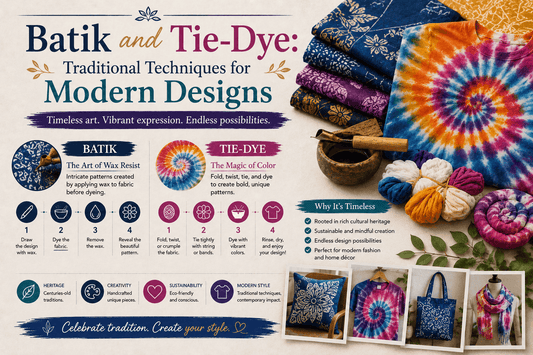
Traditional dyeing techniques from various cultures are experiencing renewed interest and respect. Japanese Aizome indigo dyeing, Indian natural dyes, African textile traditions, and European historical methods are being studied, preserved, and revived by contemporary makers.
This cultural focus extends beyond technique to sustainability philosophy—many traditional methods embody principles of environmental respect and resource efficiency that modern makers are embracing. Educational initiatives are pairing traditional knowledge holders with contemporary artisans, creating a powerful fusion of old wisdom and new expression.
Biomimicry and Bio-Dyes
Scientists and dyers are collaborating to develop bio-engineered dyes derived from bacteria, fungi, and algae. These laboratory-grown colorants offer the sustainability benefits of natural dyes with greater consistency and color range than traditionally harvested plant materials.
Mycelium-based dyes (derived from mushroom cultivation) are transitioning from laboratory curiosity to practical application. These bio-dyes represent the intersection of biotechnology and textile craft, offering genuinely sustainable alternatives to both petroleum-based synthetics and resource-intensive plant harvesting.
Data-Driven Sustainability
Transparency and traceability are increasingly valued. Dyers and brands are implementing detailed tracking of their environmental impact—water usage, chemical disposal, carbon footprint, and waste generation. This data empowers consumers to make informed choices aligned with their values.
Blockchain technology is emerging as a way to verify and communicate supply chain sustainability claims. Consumers can scan a garment to see exactly where its dyes came from, how it was produced, and what environmental impact it carries.
Accessibility and Democratization
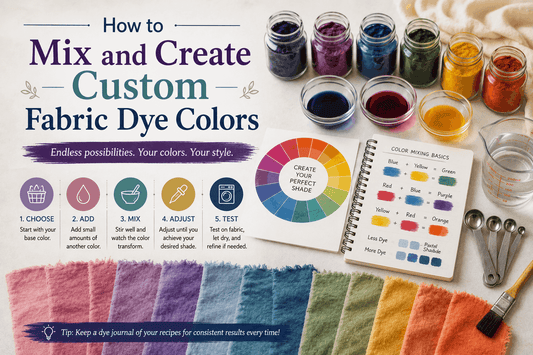
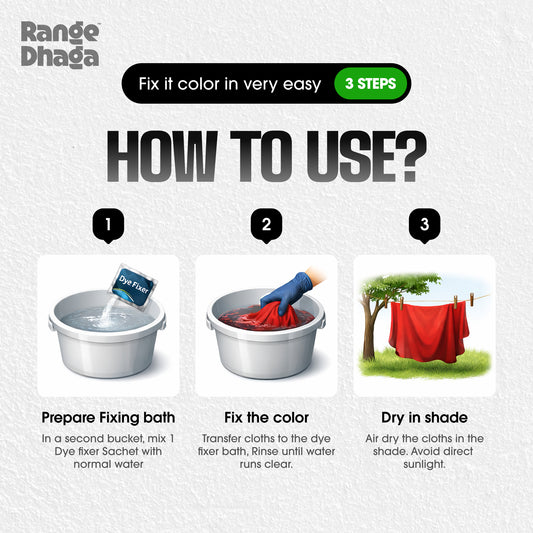
High-quality dyeing tools and techniques are becoming more accessible to broader audiences. Simplified formulations, user-friendly kits, and online education are lowering barriers to entry for home dyers and emerging professionals. This democratization fosters innovation as more people experiment with the craft.
Social media communities dedicated to natural dyeing have exploded, with dyers worldwide sharing techniques, discoveries, and inspiration. This global knowledge-sharing accelerates innovation and creates supportive networks for both beginners and advanced practitioners.
Looking Forward
The 2026 fabric dyeing landscape reflects a mature evolution toward balance—sustainability without sacrificing artistic expression, tradition enriching innovation, and accessibility without compromising quality. As a dyer, understanding these trends helps you position your work within contemporary contexts while honoring timeless principles of the craft.
Tags:
Previous
Advanced Fabric Dyeing Techniques: Discharge, Overdyeing, and Resist Methods
Next
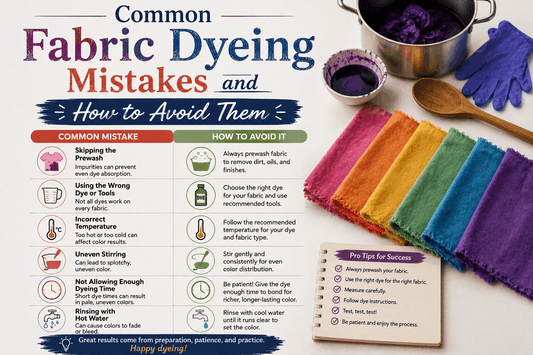
10 Common Fabric Dyeing Mistakes and How to Avoid Them