






Preserving Color Brilliance: Care for Dyed Fabrics
The work of creating beautiful dyed fabrics deserves protection through proper care. How you handle, wash, store, and display dyed fabrics directly determines whether colors remain vibrant for years or fade quickly. Understanding color preservation principles transforms dyed textiles from short-lived projects into lasting heirloom pieces that retain beauty across decades.
The Chemistry of Color Fading
Color fading results from dye molecule breakdown caused by several factors: light exposure, moisture, heat, mechanical action, and chemical interactions. Understanding which factors affect your specific dyes empowers you to implement effective protection strategies.
Light Exposure: Ultraviolet (UV) radiation breaks dye chemical bonds, degrading color. This is why the sunny window display fades faster than a protected shelf. Different dyes have different light-fastness ratings. Acid dyes on silk are often less light-fast than reactive dyes on cellulose, making light protection crucial for certain color-fiber combinations.
Moisture and Humidity: Water facilitates chemical reactions that degrade dyes. Even humid air moisture can gradually destabilize colors. Excessively dry environments can create brittleness in some fibers, potentially causing damage independent of dye fading.
Temperature: Heat accelerates chemical reactions, speeding dye degradation. Storage in cool spaces dramatically extends color longevity. Extreme temperature fluctuations can also stress fibers, potentially causing breakage.
Washing Dyed Fabrics
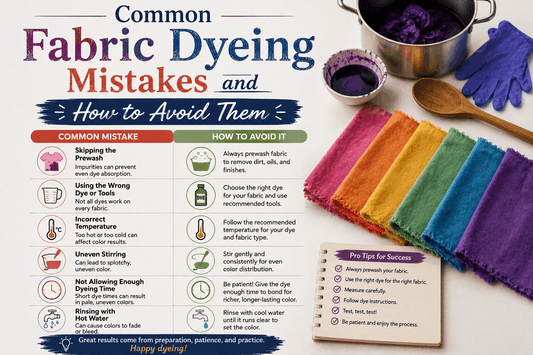
Immediate Care After Dyeing: Even after thorough rinsing during the dyeing process, some excess dye remains on fabric surfaces. The first few washes will still release color. Wash newly dyed fabrics separately to prevent color bleeding onto other garments.
Water Temperature: Cold water is essential for color preservation. Hot water opens fiber structures, facilitating dye loss. Always wash in the coolest water appropriate for the fabric type. For most dyed garments, cold water washing is not just possible but preferable.
Detergent Selection: Use mild, pH-neutral detergents specifically formulated for color preservation. Avoid brightening agents, optical brighteners, and harsh surfactants that can chemically interact with dye molecules. Many specialized dyes recommend specific detergents—follow these recommendations when available.
Washing Frequency: Less frequent washing equals longer color retention. While cleanliness matters, consider whether garments truly need washing after each wear. Airing over a few days often refreshes clothing without requiring full laundering.
Gentle Handling: Mechanical action—rubbing, wringing, aggressive tumbling—damages both fibers and dyes. Wash delicate items by hand in cool water, gently agitating. For machine washing, use gentle cycles and reduce spin speed to minimize stress on fibers.
Drying Dyed Fabrics
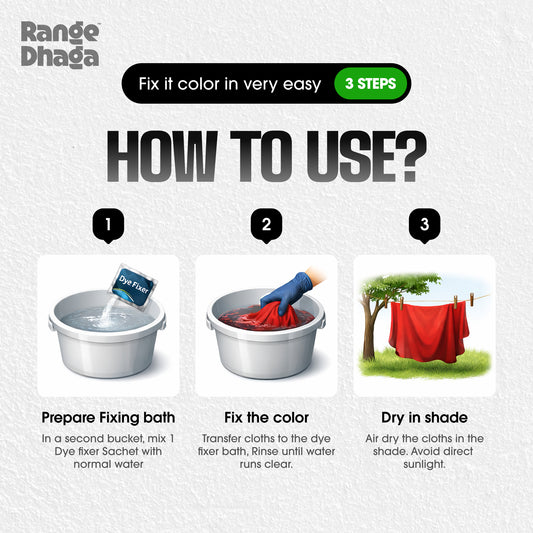
Air drying is universally superior to machine drying for color preservation. Heat from dryers stresses fibers and accelerates dye degradation. Hang damp fabrics in shaded areas—direct sunlight, even while wet, can cause uneven fading.
For delicate or heavily dyed items, roll in a clean, damp towel to gently remove excess moisture before hanging. This prevents water spots and reduces the time needed to air dry, minimizing overall moisture exposure.
Storage Methods for Long-Term Color Preservation
Light Protection: Store dyed fabrics in opaque containers or wrapped in dark, acid-free cloth. If displaying dyed textiles, use UV-filtering glass or keep display areas away from direct sunlight. Rotate displayed items periodically, moving pieces exposed to light to protected storage, and bringing protected pieces into display.
Humidity Control: Store in cool (around 60°F / 15°C), dry environments (approximately 40-50% relative humidity). Basements, while cool, are often damp—consider moisture-absorbing packets (silica gel or calcium chloride) in storage containers. Never seal fabrics in plastic bags, which can trap moisture and promote mildew. Use unscented, acid-free tissue paper for wrapping.
Air Circulation: Allow some air circulation in storage spaces to prevent moisture accumulation. Never compress dyed fabrics tightly for extended periods—this can cause permanent creasing and moisture concentration.
Pest Prevention: Protect stored fabrics from insects without using chemically harsh treatments. Cedar blocks or lavender sachets (not cedar oil, which can stain) provide gentle insect deterrence. Ensure stored items are clean before storage—food residue attracts pests.
Garment-Specific Care
Dyed Clothing: Reduce fading by wearing dyed garments less frequently, avoiding outdoor activities in intense sunlight, and washing less often than conventionally dyed clothing. Reversible wear (wearing garments inside-out occasionally) minimizes direct light exposure on outer surfaces.
Home Décor Items: Upholstery and drapery face unique challenges due to constant light exposure and occasional washing. UV-protective window coverings reduce light entering rooms, indirectly protecting displayed textiles. Washable upholstery covers protect underlying fabric, and rotating heavy-traffic pieces extends their display life.
Heirloom Textiles: For pieces you intend to preserve indefinitely, consider professional preservation. Textile conservators employ archival-quality storage materials and techniques specifically designed for long-term color and fiber preservation.
Remedies for Faded Colors
Once fading occurs, complete color restoration is usually impossible. However, over-dyeing faded items in darker colors can revive their appearance. This requires re-scouring and re-dyeing, but can transform dull, faded textiles into pieces with renewed color and character.
Building a Preservation Routine
Creating lasting dyed textiles requires integrating color preservation into routine care. Develop habits: washing in cold water, drying in shade, storing protected from light, minimizing washing frequency. These simple practices, consistently applied, dramatically extend the lifespan of your dyed creations.
Remember that dyed fabrics are investments—you've devoted time, skill, and resources to create them. Appropriate care protects that investment and allows you to enjoy your creations for years or decades, sharing them across generations as genuine heirloom pieces.
Tags:
Previous
How to Mix Custom Fabric Dye Colors: Create Unique Shades From Scratch
Next
Eco-Friendly Fabric Dyeing: Sustainable Methods for Conscious Makers