




Common Fabric Dyeing Mistakes and How to Avoid Them
Even experienced dyers occasionally encounter challenges, but many common problems can be prevented with proper planning and technique. Learning from others' mistakes is an excellent shortcut to success, allowing you to avoid frustrating failures and achieve beautiful results consistently. This guide identifies the most frequent pitfalls and provides practical solutions for each.
Mistake 1: Inadequate Fabric Preparation
The Problem: Starting with unscouted fabric inevitably leads to uneven dyeing, weak colors, and poor color fastness. Manufacturing finishes, oils, and residues prevent dye molecules from bonding properly with fibers.
The Solution: Never skip the scouring step. Wash your fabric in hot water with soda ash (for cotton and cellulose fibers) or mild detergent (for protein fibers like silk and wool) before introducing dye. This simple 30-45 minute process transforms your dyeing results dramatically. Create a habit of scouring immediately upon receiving new fabric, and many problems simply don't develop.
Mistake 2: Incorrect Water Temperature
The Problem: Wrong temperatures yield weak color development, uneven dyeing, or fiber damage. Some dyers rush the heating process or use boiling water when gentler temperatures are required.
The Solution: Invest in a reliable thermometer. Each dye type has an optimal temperature range—acid dyes perform best around 195-205°F (90-96°C), while reactive dyes work well at lower temperatures. Natural dyes on protein fibers require lower heat than on cellulose. Follow instructions precisely and increase temperature gradually, never shocking fabric with temperature extremes.
Mistake 3: Uneven Dye Distribution
The Problem: Streaking, blotchy color, and patches of lighter and darker areas result from inadequate stirring or uneven fabric immersion.
The Solution: Before adding fabric to the dye bath, ensure it's completely wet. Add fabric gently, spread it out to prevent bunching, and stir continuously throughout the dyeing period. Use a gentle, consistent stirring motion—rough agitation damages fibers but inadequate stirring creates uneven color. For very large pieces, consider using a drum or rotation device to maintain even motion without manual stirring.
Mistake 4: Insufficient Rinsing
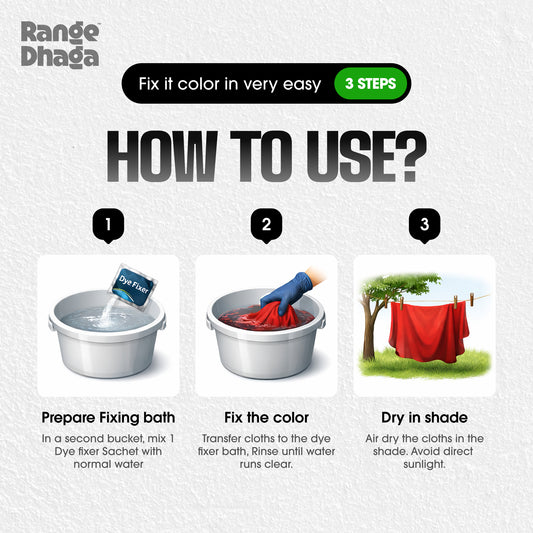
The Problem: Excess dye remaining in rinse water will bleed onto other fabrics or create an undesirable dull or muddy appearance due to competing dye molecules on the fiber surface.
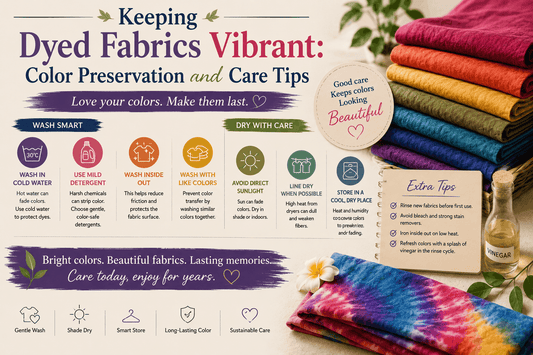
The Solution: Patience during rinsing is non-negotiable for color fastness. Continue rinsing until the water is completely clear, which may require 5-10 rinses depending on dye concentration. Use progressively cooler water to avoid shocking fibers with temperature changes. For natural dyes, a final vinegar rinse (1 part vinegar to 4 parts water) helps set the color.
Mistake 5: Ignoring Fabric-to-Dye Ratios
The Problem: Using too little dye for your fabric weight produces weak color; too much dye creates overly dark, sometimes muddy results.
The Solution: Weigh both your fabric and measure dye using percentages. Standard notation uses % weight of fiber (WOF). For example, 2% WOF means using dye equal to 2% of the fabric's weight. Most standard dyeing uses 0.5-2% WOF, though experimenting with these ranges helps you find your preferred saturation levels. Maintaining consistent fabric-to-dye ratios ensures your color formulas are reproducible.
Mistake 6: Mixing Incompatible Dyes and Auxiliaries
The Problem: Some dyes and chemical additives interact unpredictably, reducing color development or creating unexpected color shifts.
The Solution: Understand your dye type's requirements before mixing. Never mix different dye classes (acid dyes with reactive dyes, for example) in the same bath. If you're uncertain, test small quantities first. Stick with one dye system per project until you thoroughly understand how individual components interact.
Mistake 7: Poor Documentation
The Problem: Creating a beautiful color, then being unable to reproduce it because you didn't record your process. Frustration sets in when the second attempt doesn't match your original.
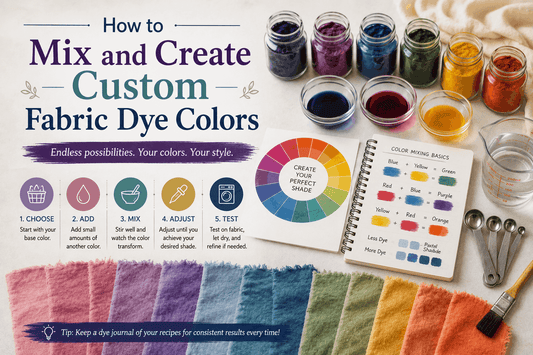
The Solution: Document everything before, during, and after dyeing. Record dye name, brand, batch number, quantities, water temperature, duration, fabric weight, type, and any additives used. Keep a physical swatch of the result attached to your notes. Over time, your documentation system becomes an invaluable reference library allowing instant color replication.
Mistake 8: Using Poor Quality Materials
The Problem: Old dyes that have lost potency, contaminated water, or low-quality fabric yield disappointing results despite perfect technique.
The Solution: Purchase dyes from reputable suppliers and check expiration dates. Store dyes in cool, dark places away from moisture. Use filtered or distilled water if your local water is heavily chlorinated or mineral-rich, as these can affect color development. Invest in quality fabric, which holds dye better and wears longer than budget alternatives.
Mistake 9: Skipping Test Samples
The Problem: Experimenting with an untested color formula or unfamiliar dye on a large, important piece of fabric often results in disappointment.
The Solution: Always test new color combinations, dyes, or techniques on small swatches first. A 10-minute test using a small piece of fabric prevents costly mistakes. Keep these test swatches organized and labeled, creating a personal reference library of your experimentation.
Mistake 10: Rushing the Process
The Problem: Impatience leads to skipping steps, under-heating, or insufficient dyeing time, resulting in pale, uneven colors.
The Solution: Approach dyeing as a meditative, slow craft. Plan adequate time for each step, and maintain consistent conditions throughout the process. Many experienced dyers find the dyeing itself deeply satisfying, viewing it as quality time rather than a task to rush through.
Learning from these common mistakes accelerates your progress as a dyer. Each challenge overcome builds your expertise and confidence, leading toward consistently beautiful, colorfast results.
Tags: