



Batik and Tie-Dye: Creating Patterns Through Resist Techniques
Batik and tie-dye represent some of the most visually stunning and personally rewarding fabric dyeing techniques. These resist-dyeing methods create patterns by preventing dye from reaching certain fabric areas, resulting in striking designs that range from precise geometric patterns to organic, unpredictable compositions. Both techniques are accessible to beginners yet offer endless possibilities for experienced artists.
Understanding Resist Dyeing Principles
All resist dyeing relies on a fundamental principle: covering or protecting portions of fabric prevents dye from reaching those areas. The protected sections remain undyed or retain their original color, creating contrast against dyed areas. The beauty of resist techniques lies in their infinite variability—identical methods can produce different results, making each piece unique.
The type of resist material, how tightly it binds the fabric, dyeing time, dye concentration, and fabric type all influence final results. This variability is a feature, not a bug—embracing the unexpected outcomes is part of the craft's appeal.
Traditional Batik: Wax and Heat
Batik, originating in Indonesia, uses hot wax as a resist material. Fabric is dipped in melted wax or wax is applied directly to the surface, then the fabric is immersed in dye. The wax prevents dye penetration, creating sharp-edged patterns when wax is removed.
The Basic Process: Heat paraffin wax to around 250°F (120°C)—hot enough to penetrate fabric but not so hot that it smokes. Apply wax using brushes, stamps, batik tools, or by dipping fabric sections directly into the wax bath. Once wax hardens, immerse the fabric in dye. The wax acts as an impermeable barrier, keeping dye from reaching waxed areas.
Crackle Effects: One of batik's distinctive characteristics is the crackle pattern—fine lines of color seeping through tiny wax cracks. To intentionally create crackle, gently crease waxed fabric before dyeing. The wax fractures, allowing dye to seep through and create authentic-looking aged effects.
Multiple Colors: Traditional batik often involves sequential dyeing. Dye in the lightest color first, allow fabric to dry, apply additional wax to protect the light areas, then dye in the next color. Repeat this process, progressing from light to dark colors, building elaborate multi-color compositions.
Removing wax from finished batik requires either ironing between paper towels (wax transfers to paper as it melts) or dissolving wax in hot water if using naturally biodegradable wax varieties. This removal step completes the batik process.
Tie-Dye: Binding and Folding
Tie-dye creates patterns by binding or folding fabric before dyeing, restricting dye access to specific areas. This technique produces characteristic circular patterns (from tied bunches), radiating sunburst designs (from center-point gathering), and linear patterns (from folding and binding).
Basic Tie-Dye Methods: Bundle small sections of fabric, gathering them tightly at one end and binding with rubber bands or thread. Immerse in dye bath, and the bundled centers remain undyed while outer areas absorb color fully. Release the binding to reveal a precise circular undyed ring surrounded by colored fabric.
Sunburst Variation: Pinch the fabric center with your fingers, lift it into a cone shape, and bind at intervals along the height. This creates radiating pattern lines—the more binding points, the more pattern lines.
Fold-and-Tie Techniques: Fold fabric into precise geometric shapes (squares, triangles, accordion-pleats), then bind at intervals. Dyeing creates patterns reflecting the fold geometry. Perfectly executed fold-and-tie can produce almost geometric precision, while intentional carelessness yields organic, unpredictable designs.
Stitched Patterns: Running large stitches through fabric, then gathering thread tightly creates linear patterns. Parallel rows of stitching followed by gathering create stripes or plaid-like effects.
Beyond Basics: Advanced Resist Combinations
Marbling: Using oil-based dyes or pigments floating on water surface, then laying fabric on the marbled water creates natural, swirled color effects. Dragging combs or sticks through the floating color creates additional pattern variation.
Paste Resist: Thickened dye or paste resist chemicals can be printed onto fabric using stencils or stamps. Areas where paste is applied resist dye, creating precise pattern control. This technique bridges traditional resist methods and direct printing.
Clamp Resist: Using objects like bottle caps, coins, or wooden shapes clamped tightly against fabric creates precise circular or shaped patterns. The tighter the clamp, the cleaner the pattern edge.
Combining Batik and Tie-Dye
Sophisticated textile artists combine multiple resist techniques within single pieces. Imagine a fabric that begins with tie-dye circles, adds batik wax patterns creating detail within and around circles, followed by discharge dyeing to create additional complexity. Such layering requires planning and sequential execution, but yields remarkable results.
Color Selection and Layering
Traditional batik typically progresses from light to dark—first dyeing in pale yellow, then protecting and dyeing in blue-green, protecting further and dyeing in deep indigo or black. This progression ensures colors remain true without muddying.
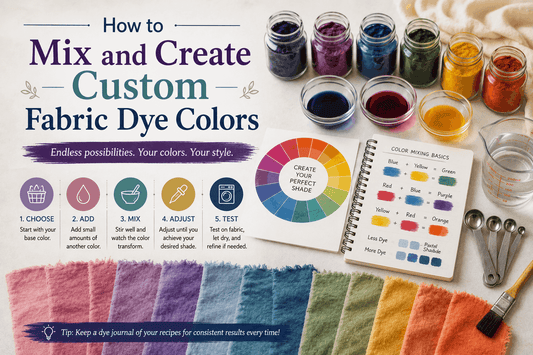
Contemporary dyers sometimes embrace color layering that creates more complex results. A first dyeing in red protected partially, then second dyeing in blue creates areas of purple (where red and blue overlap) alongside pure red and pure blue. While less traditional, this approach produces sophisticated, nuanced color effects.
Troubleshooting Resist Techniques
Dye Seeping: If dye leaks under resist materials, your wax wasn't applied thoroughly enough or your binding wasn't tight enough. Future attempts require more careful preparation—press wax firmly into fabric, and bind even more securely.
Uneven Dyeing: Ensure fabric is completely submerged in dye, gently agitate the bath occasionally, and maintain consistent temperature throughout the dyeing process.
Weak Colors: Use more concentrated dye baths, increase dyeing time, or elevate temperature (if safe for your dye type). However, remember that resist techniques often showcase undyed areas as prominently as dyed ones, so paler overall coloring can be intentional and beautiful.
The Creative Satisfaction
Batik and tie-dye satisfy the human desire for both control and surprise. You decide the resist pattern, yet the final results always include unexpected elements—slightly different color saturation, unanticipated seepage patterns, beautiful accidents. This balance between intention and chance makes these techniques endlessly rewarding.
Tags:
Previous
Eco-Friendly Fabric Dyeing: Sustainable Methods for Conscious Makers
Next
Advanced Fabric Dyeing Techniques: Discharge, Overdyeing, and Resist Methods