






Mastering Silk Dyeing: A Complete Technical Guide
Silk stands as one of the most luxurious and rewarding fabrics to dye. Its natural luster, delicate handle, and exceptional dye affinity create a canvas for creating colors of unparalleled richness and depth. However, silk requires a more nuanced approach than heavier fabrics, as its protein fiber structure demands careful temperature control and gentle handling throughout the dyeing process.
Understanding Silk's Unique Properties
Silk fibers are composed of proteins, specifically fibroin and sericin, making them fundamentally different from cellulose-based plant fibers like cotton. This protein structure gives silk its natural affinity for acid dyes—dyes that bond with protein fibers at specific pH levels. Understanding this chemistry is key to achieving vibrant, colorfast results on silk.
Silk's delicate nature requires respect and care. Unlike robust cotton, silk can be damaged by excessive agitation, extreme pH swings, or temperature shocks. The reward for this careful attention is unmatched beauty: colors on silk seem to glow from within due to the fiber's natural light-reflecting properties.
Preparing Silk for Dyeing
While some dyers work with silk immediately, gently scourging will improve results. Use warm (not hot) water with a small amount of mild detergent or pH-neutral scouring agent. Soak your silk for 15-20 minutes, gently agitate it, then rinse thoroughly with clean water. This process removes manufacturing finishes and ensures even dye uptake.
Ensure your silk is completely dry or damp (not soaking wet) before beginning the dyeing process. If you've pre-scoured, you can proceed directly to the dye bath or let the silk air-dry and re-wet it just before dyeing—both approaches work well.
Acid Dyes: The Standard for Silk
Acid dyes are specifically formulated for protein fibers and produce the most vibrant, colorfast results on silk. These dyes require an acidic environment (pH between 4-5) to bond properly with the silk fiber. White vinegar or citric acid are common choices for achieving this pH.
The Acid Dye Process: Dissolve your dye in a small amount of hot water, then add it to a dye bath of warm (not boiling) water—around 185°F to 195°F (85°C to 90°C) is ideal. Add your acid (vinegar or citric acid) according to dye instructions. Gently place your damp silk into the bath and maintain the temperature. Gradually increase heat over 20-30 minutes, reaching a simmer (around 205°F/96°C) but never boiling. Simmer for 45 minutes to one hour, occasionally gently stirring the fabric.
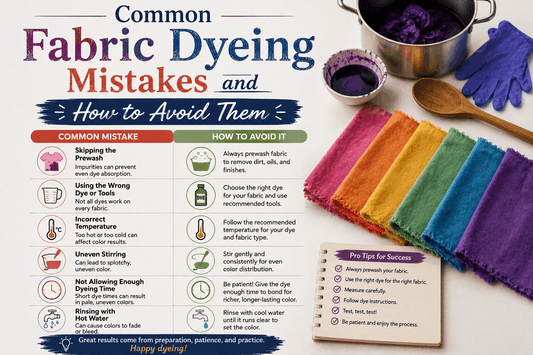
The key to even color is patience and gentleness. Harsh stirring or temperature spikes can cause uneven dyeing or damage the silk fibers. Let the dye work gradually, and the results will be spectacular.
Natural Dyes on Silk
Silk also takes natural dyes beautifully, though pre-mordanting is typically necessary for good color fastness. Alum is the most common mordant for silk, used at about 12-15% weight of fiber. Dissolve alum in hot water, add your silk, and simmer gently for 45 minutes, then rinse thoroughly.
After mordanting, proceed with your natural dye bath in much the same way as with cotton, though maintaining slightly lower temperatures (below boiling point) is advisable to protect silk's delicate protein structure. Plant sources like madder root, weld, and indigo produce exceptional colors on mordanted silk.
Finishing and Care
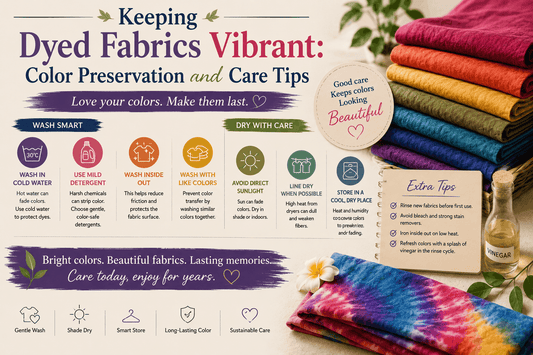
After dyeing, rinse your silk thoroughly in warm, then cool water until the rinse water runs clear. Never shock silk with temperature extremes—gradual temperature reduction is essential. Gently squeeze out excess water (never wring), and hang the silk to dry in a shaded area away from direct sunlight.
Once dry, consider steam-pressing your silk on the reverse side to restore its luster and smooth any wrinkles. Heat-setting can help improve color fastness, though this should be done at low temperatures to avoid fiber damage.
Troubleshooting Silk Dyeing
Uneven Color (Streaking): This typically results from insufficient immersion time before heat is applied, or sudden temperature changes. Always pre-wet your fabric thoroughly and increase heat gradually.
Dulled Colors: Excess dye remaining in the rinse water indicates incomplete dye-fiber bonding. This often means water temperature wasn't high enough or the dye bath time was insufficient. Adjust these factors on your next attempt.
Damaged Silk: Harsh agitation, boiling water, or extreme pH are the usual culprits. Remember that silk demands gentle handling—let the chemistry do the work rather than forcing it with rough techniques.
Advanced Silk Techniques
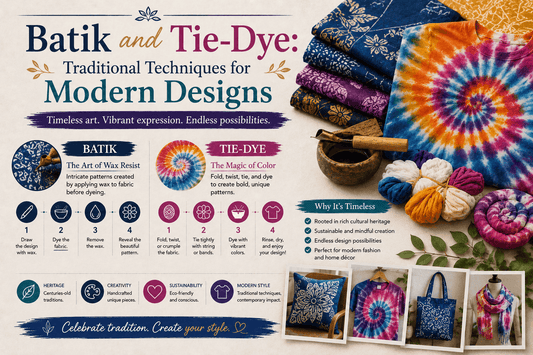
Once comfortable with basic silk dyeing, explore space-dyeing (dyeing yarn in sections for multi-color effects), shibori (Japanese resist techniques), and layering multiple dyes to create sophisticated color combinations. Silk's receptivity to color makes these advanced techniques particularly rewarding, producing results that seem to change color depending on how light hits the fabric.
Tags:
Previous
How to Dye Cotton Fabrics: Complete Guide to Vibrant, Long-Lasting Colors
Next
How to Mix Custom Fabric Dye Colors: Create Unique Shades From Scratch