





The Complete Guide to Dyeing Cotton Fabrics
Cotton is one of the most popular and versatile fabrics for dyeing, offering excellent absorption and color uptake across both natural and synthetic dyes. Whether you're a beginner exploring your first dyeing project or an experienced textile artist looking to expand your skills, understanding cotton's unique characteristics and how to work with it will significantly improve your results.
Why Cotton is Ideal for Dyeing
Cotton's cellulose structure makes it a natural receiver of color. Unlike synthetic fibers, cotton readily absorbs moisture and allows dye molecules to penetrate deeply into the fiber shaft. This absorption capacity means that cotton takes on color beautifully, whether you're using natural plant-based dyes or modern synthetic colorants.
Another advantage of cotton is its availability and affordability. As the most widely produced natural fiber globally, cotton fabrics come in numerous weights and weaves—from lightweight gauze to heavy canvas—giving you endless options for your projects. Additionally, cotton's durability ensures that even after dyeing, your finished piece will withstand regular use and washing.
Preparing Your Cotton for Dyeing
Proper preparation is the foundation of successful cotton dyeing. All new cotton fabrics should first be scoured, a process that removes oils, waxes, and finishes applied during manufacturing. Scouring ensures even dye absorption and prevents uneven coloring.
To scour cotton, wash it in hot water with a small amount of soda ash or washing soda (about 1 teaspoon per gallon of water) for 45 minutes to an hour. This treatment opens the fiber structure and removes surface contaminants. After scouring, rinse thoroughly with clean water until the water runs clear. Allow the fabric to dry completely or proceed directly to dyeing while still damp—many dyers prefer to dye damp fabric as it helps ensure even color distribution.
Dyeing Methods for Cotton
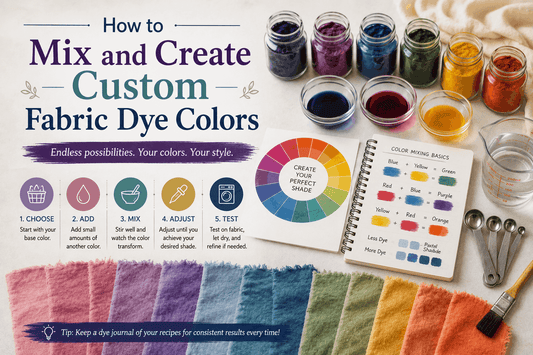
Immersion Dyeing (Vat Method): This is the most straightforward approach. Dissolve your dye in hot water (following product instructions for temperature and quantity), place your prepared cotton fabric in the dye bath, and maintain the temperature while occasionally stirring. Most synthetic dyes require 20-45 minutes of simmering for optimal color development.
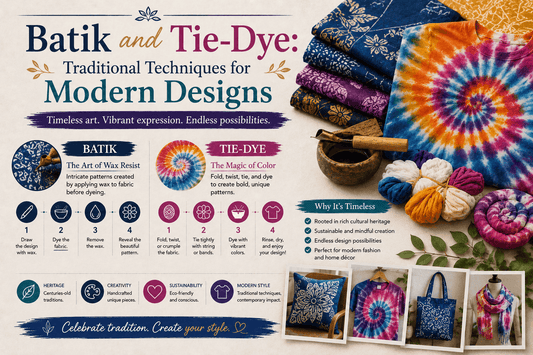
Tie-Dye and Resist Methods: Create patterns by binding, folding, or clamping sections of your cotton before dyeing. These techniques produce unique, repeatable patterns and are excellent for expressing creativity. Tie-dye works exceptionally well with cotton because the fabric's absorbency ensures clear color differentiation between dyed and resisted areas.
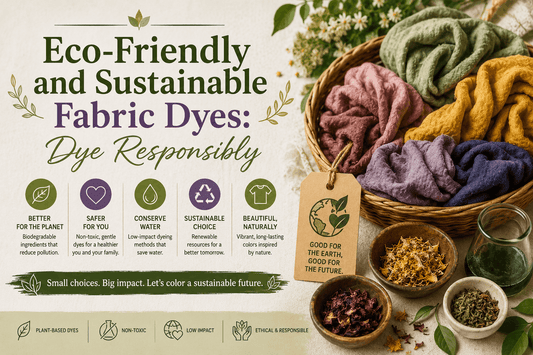
Natural Dye Baths: When using plant-based dyes, the process is more involved but equally rewarding. Simmer your plant material to extract the dye, strain the liquid, and then simmer your pre-mordanted cotton in the resulting dye bath for an hour or longer, depending on the desired intensity.
Color Fastness and Finishing
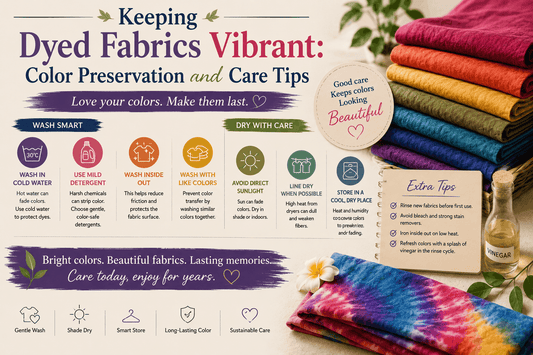
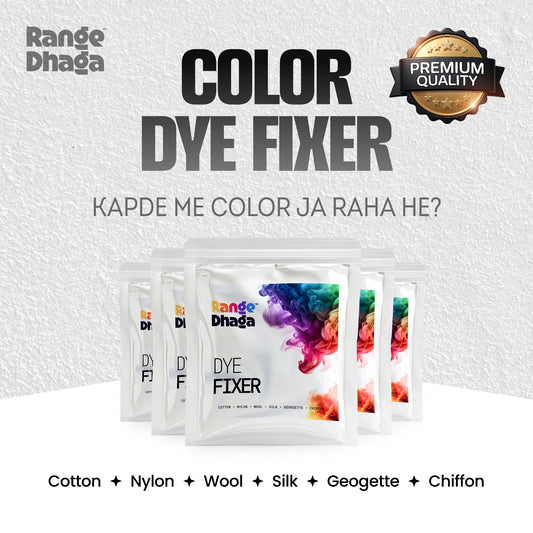
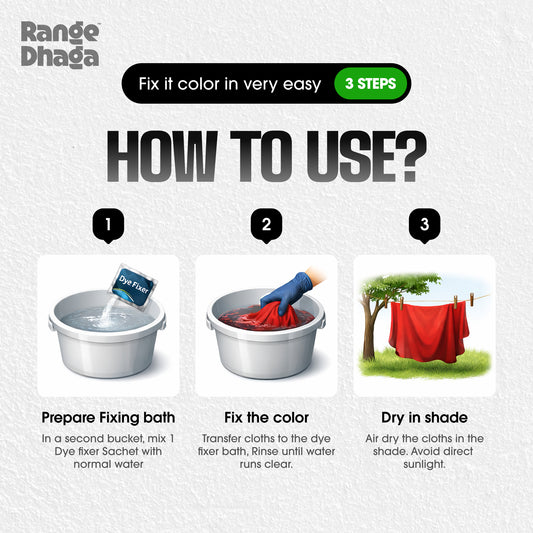
Once dyeing is complete, the finishing process is critical for color permanence. For synthetic dyes, use a fixative (often included in modern dye instructions) and rinse in cool water until the water runs completely clear. This prevents excess dye from bleeding or rubbing off in subsequent washes.
For natural dyes, a vinegar rinse (using about one part white vinegar to four parts water) helps set the color. Finally, wash your dyed cotton in warm water with mild detergent, then air dry away from direct sunlight to preserve the color.
Troubleshooting Common Cotton Dyeing Issues
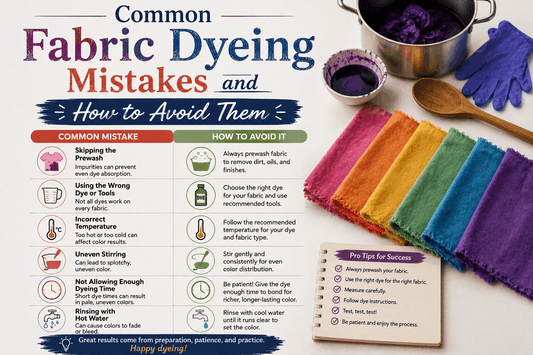
Uneven Color: This usually results from inadequate stirring during the dye bath or failing to wet the fabric thoroughly before dyeing. Always ensure your fabric is completely damp and gently stirred throughout the process.
Weak Color: If your cotton doesn't achieve the expected vibrancy, you may need more dye, longer dyeing time, or hotter water. Check your dye product instructions and adjust accordingly on your next attempt.
Color Bleeding: Incomplete rinsing is the primary culprit. Continue rinsing until the water is absolutely clear, and consider using a color-setting product designed for your dye type.
Advanced Techniques
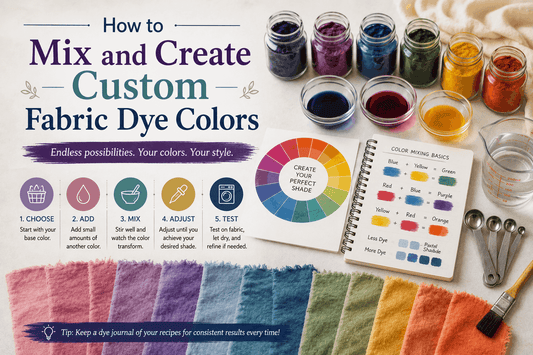
Once you've mastered basic cotton dyeing, explore advanced methods like discharge dyeing (removing color from dyed fabric), over-dyeing (layering multiple colors), and gradient dyeing (creating color transitions). These techniques require more planning but offer spectacular results and unlimited creative possibilities.
Cotton's forgiving nature makes it an excellent fabric for experimentation. Each project teaches you something new, gradually building your intuition and skill in this rewarding craft.
Tags:
Previous
Natural vs. Synthetic Fabric Dyes: Which Is Best for Your Project 2026
Next
Silk Dyeing Mastery: Acid Dyes for Vibrant, Luxurious Colors