








Understanding Natural vs. Synthetic Fabric Dyes
When it comes to coloring fabrics, two main categories dominate the industry: natural dyes derived from plants, minerals, and insects, and synthetic dyes created through chemical processes. Each approach offers distinct advantages and challenges that directly impact your dyeing results, environmental footprint, and budget. Understanding the fundamental differences between these two methods is essential for anyone serious about fabric coloring.
The Nature of Natural Dyes
Natural dyes have been used for thousands of years, with evidence of their application dating back to ancient civilizations. These dyes come from a variety of sources: walnut hulls produce warm browns, madder roots yield deep reds and oranges, and turmeric creates vibrant yellows. The beauty of natural dyes lies in their complexity and the nuanced colors they produce.
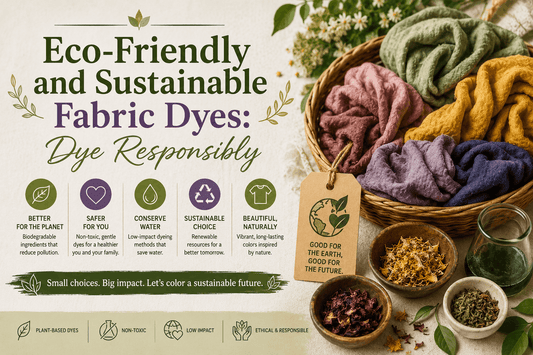
One of the most appealing aspects of natural dyes is their environmental profile. They are biodegradable, non-toxic, and often sourced from renewable plant materials. This makes them an excellent choice for eco-conscious dyers and sustainable fashion brands. Additionally, natural dyes are generally considered safer to handle compared to their synthetic counterparts, requiring minimal protective equipment during the dyeing process.
The Chemistry Behind Synthetic Dyes
Synthetic dyes represent a modern breakthrough in textile coloring, developed in the mid-19th century. These chemically engineered colorants—including azo dyes, acid dyes, vat dyes, and reactive dyes—are designed to bond with fabric fibers in specific ways. They offer unparalleled consistency, vibrancy, and color fastness, meaning the colors resist fading even after repeated washing and sun exposure.
The manufacturing process for synthetic dyes is highly controlled and standardized, ensuring batch-to-batch consistency that natural dyes cannot match. This reliability makes synthetic dyes the preferred choice for commercial textile production where color accuracy is paramount. Large-scale manufacturers depend on synthetic dyes to maintain brand consistency across thousands of products.
Comparing Key Performance Factors
Color Fastness: Synthetic dyes generally offer superior fastness, particularly vat and reactive dyes, which form covalent bonds with fiber molecules. Natural dyes require mordants (fixative chemicals) to achieve acceptable color fastness, and even then, they may not match synthetic performance.
Color Range: Synthetic dyes provide access to an virtually unlimited color palette and precise shade matching. Natural dyes offer beautiful, earthy tones with organic variation, but the range is more limited, and achieving consistent colors between batches requires skill and experience.
Application Ease: Synthetic dyes typically dissolve readily in water and require straightforward application procedures. Natural dyes demand longer preparation times, often requiring simmering to extract color from plant material and applying mordants as a separate step.
Cost Considerations: Synthetic dyes are generally more economical, especially for large-scale production. Natural dyes can be expensive, particularly rare sources, though some can be foraged or grown sustainably at low cost.
Environmental and Health Considerations
Natural dyes align with sustainable and eco-friendly practices, producing no synthetic chemical residue and minimal environmental impact during disposal. However, some mordants used with natural dyes can be toxic, so proper handling is still necessary.
Synthetic dyes, while offering superior performance, carry environmental concerns. Wastewater from synthetic dye production and application can contain harmful chemicals. However, modern facilities employ wastewater treatment systems to minimize environmental damage, and azo dyes—the most problematic type—are increasingly being phased out in favor of safer alternatives.
Choosing the Right Dye for Your Project
Your choice between natural and synthetic dyes should reflect your project goals. Choose natural dyes if you value sustainability, enjoy the slow, meditative dyeing process, and appreciate the subtle variations in color. Select synthetic dyes when you need reliable color consistency, vibrant hues, excellent fastness, or are working on larger commercial projects with strict quality requirements.
Many experienced dyers use both types strategically, combining the best attributes of each approach. Understanding your priorities—whether environmental impact, color range, ease of use, or performance—will guide you toward the right choice for your textile projects.
Tags:
Previous
Best Fabric Dye for Jeans: How to Get Perfect Black Jeans at Home
Next
How to Dye Cotton Fabrics: Complete Guide to Vibrant, Long-Lasting Colors