



Creating Custom Colors: Mixing and Matching Dyes
One of the most exciting aspects of fabric dyeing is the ability to create colors uniquely suited to your vision. Whether you're seeking a specific shade to complement your wardrobe, match an interior design scheme, or bring an artistic concept to life, understanding how to mix dyes and achieve your desired colors opens unlimited creative possibilities.
The Science of Color Mixing
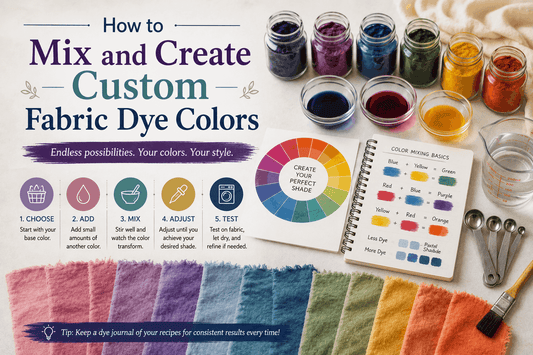
Color mixing in dyes follows the principles of light absorption and reflection. When you combine different dyes, you're layering wavelengths of light, effectively creating new colors. Understanding primary colors, complementary colors, and how specific dyes interact is fundamental to achieving predictable, satisfying results.
The traditional color wheel provides a helpful starting point. Primary colors (red, yellow, blue) can theoretically be mixed to create any other color, though in practice, dye mixing is more complex because dyes don't behave exactly like paint pigments. Different dyes have different saturation levels and intensity, requiring testing and adjustment to achieve your target shade.
Testing Before Full Commitment
Before committing your entire fabric stash to a custom color formula, always perform a dye test. Create a small dye bath with your proposed color combination using small swatches of your intended fabric. This allows you to see the actual result without risking a large piece of fabric.
Document everything: the exact dye names, quantities used (in grams or percentages), water temperature, time in the dye bath, and any additives. These detailed notes become invaluable reference material for recreating the color in the future. Many experienced dyers maintain color journals, literally swatching their creations and keeping meticulous records.
Mixing Synthetic Dyes for Custom Colors
Understanding Dye Saturation: Each dye has a maximum saturation point—the maximum amount of color it can impart to fiber. Some dyes reach saturation at low concentrations, while others require higher quantities. This variation means that combining equal parts of two dyes won't necessarily yield the expected intermediate color.
Color Shifts During Dyeing: Colors often appear darker and more saturated when fabric is wet than when dry. What looks like an overly dark blue in the dye bath may become a perfect shade blue once dry. This is why testing on your actual fabric type is critical.
Layering Dyes: Rather than mixing dyes in advance, you can achieve custom colors by layering—dyeing fabric once in one color, then over-dyeing in another. This technique is particularly effective for achieving complex, sophisticated shades. For example, dyeing yellow, then over-dyeing in blue creates a more subtle, muted green than directly mixing the two colors.
Achieving Specific Colors
Subtle Pastels: Create soft, delicate shades by using very low concentrations of dye (just 0.1-0.5% weight of fiber) or by briefly immersing fabric in a diluted dye bath. Pastel colors are particularly lovely on silk and linen.
Deep, Rich Jewel Tones: These colors require higher dye concentrations, extended dyeing times, and often the addition of dye auxiliaries that help dyes exhaust (bond) completely to the fiber. Patience is rewarded with stunning saturation and color fastness.
Natural-Looking Earth Tones: These often require combining multiple colors. A beautiful, complex brown might combine yellow, red, and a touch of blue. Natural dyers typically use this approach, layering plant-based dyes to achieve sophisticated neutrals.
Working with Natural Dyes for Custom Colors
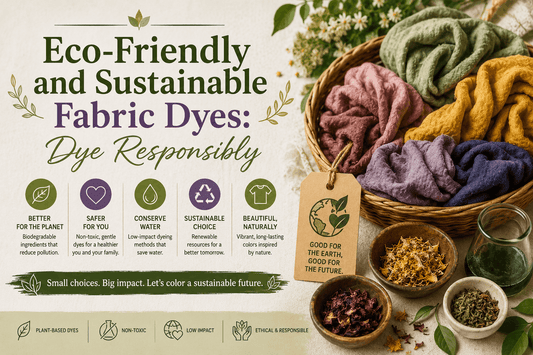
Natural dyes offer inherent color variation that can actually be an advantage when creating custom colors. Different mordants produce dramatically different results from the same dye plant. Iron, tannin, and copper mordants, for example, all shift the color of a single plant dye, giving you multiple options from one source.
Experimenting with natural dye combinations requires patience and detailed documentation, but the results—subtle, nuanced, utterly unique colors—are worth the effort. Many contemporary natural dyers specialize in creating their signature color palettes through careful mordanting and dye-source combinations.
Achieving Consistency
Once you've created a custom color you love, achieving consistent results requires diligent documentation and careful technique. Record dye brand and batch number (dyes can shift slightly between production batches), water temperature, dyeing duration, fabric weight, and any auxiliaries used.
If your water chemistry is significantly different from your test location (hard water versus soft water, for example), this too affects color. Some dedicated dyers keep detailed records of their local water's mineral content and adjust dye quantities accordingly.
Troubleshooting Color Issues
Color is Too Dark: Use less dye next time, reduce dyeing time, or dilute your dye bath. Alternatively, try a lower dyeing temperature, though this may reduce color intensity along with darkness.
Color is Too Light: Increase dye quantity, extend dyeing time, or increase temperature (if applicable). Ensure your fabric was properly scoured and pre-wet before dyeing.
Colors Are Muddy Instead of Vibrant: You may be over-mixing colors. Start with less of the secondary color and add gradually. Alternatively, ensure you're using the highest-quality dyes—lower-quality products may produce less vibrant results.
Creating custom colors is both science and art. As you gain experience, you'll develop an intuition for color mixing, learning to visualize results before ever dipping fabric in a dye bath.
Tags:
Previous
Silk Dyeing Mastery: Acid Dyes for Vibrant, Luxurious Colors
Next
Preserve Dyed Fabric Colors: Expert Care Tips for Long-Lasting Vibrancy