





Fabric Dye vs Dye Fixer: What's the Difference and Why You Need Both
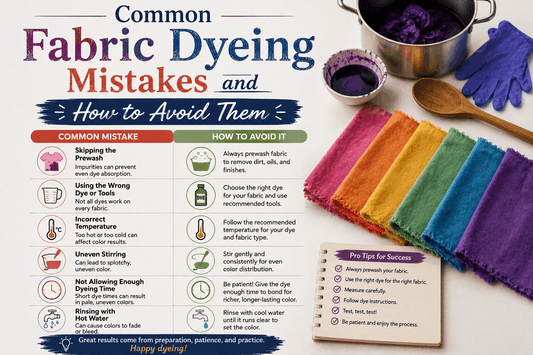
If you've ever dyed clothes at home and been disappointed when the colour faded after just a few washes, there's a good chance you skipped one crucial step — using a dye fixer. Many people know about fabric dye, but far fewer understand what a dye fixer does and why it's just as important as the dye itself. This guide explains the difference between fabric dye and dye fixer, how each works, and why using both together gives you the best, longest-lasting results.
What Is Fabric Dye?
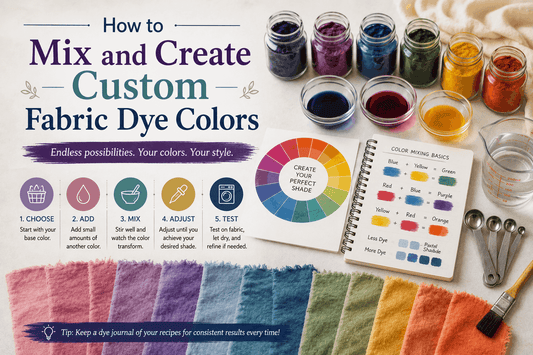
Fabric dye is a colouring agent that bonds to the fibres of your clothing to change its colour. When you dye a garment, the dye molecules penetrate the fabric and attach to the fibres — but this bond isn't always permanent on its own. Different types of fabric dye work on different materials:
- All-purpose dye: Works on cotton, linen, wool, silk, and some synthetics
- Fibre-reactive dye: Chemically bonds with natural fibres like cotton for very permanent results
- Acid dye: Best for protein fibres like wool and silk
- Disperse dye: Designed for synthetic fabrics like polyester
The type of dye you choose should match your fabric type for the best colour uptake and longevity.
What Is a Dye Fixer?
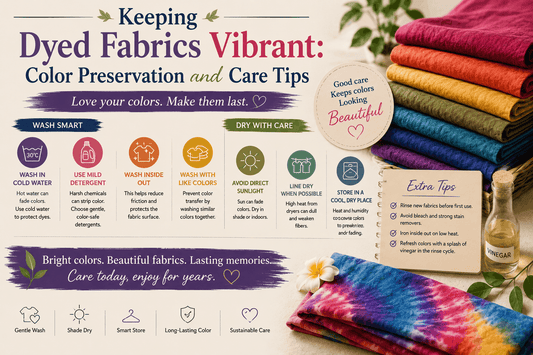
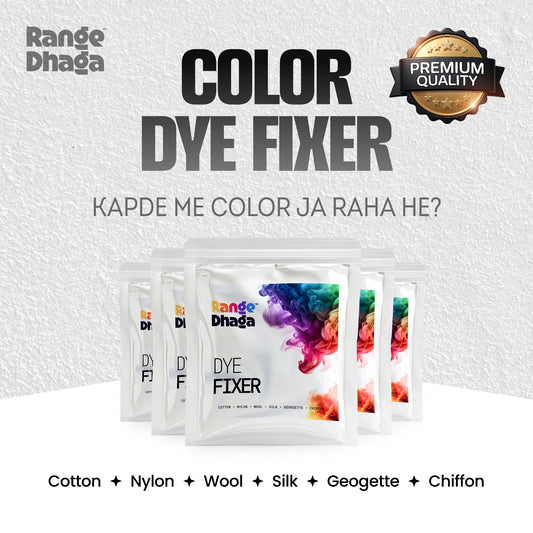
A dye fixer (also called a colour fixative or mordant) is a chemical solution used after dyeing to lock the dye molecules into the fabric fibres. Think of it as a sealant — it creates a stronger bond between the dye and the fabric, preventing the colour from washing out prematurely.
Without a dye fixer, even a high-quality dye job can fade significantly within 5–10 washes. With a fixer, the same dye job can last 30+ washes while maintaining its vibrancy.
How Does a Dye Fixer Work?
Dye fixers work by chemically reacting with both the dye molecules and the fabric fibres to create a more stable, permanent bond. The fixer essentially "traps" the dye within the fabric structure, making it much harder for water and detergent to wash it away.
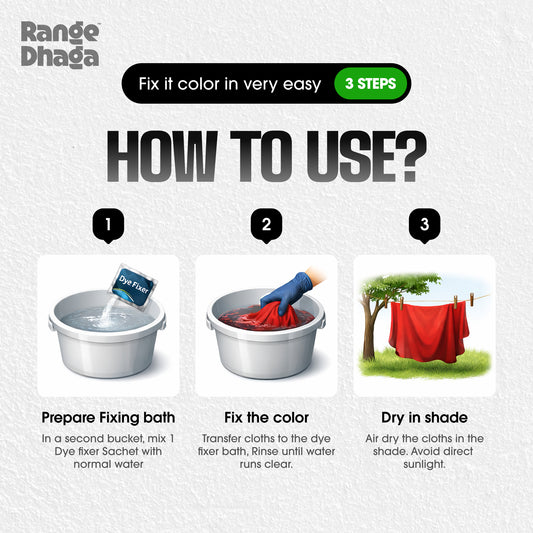
Most dye fixers are used as a post-dye soak — after you've rinsed out the excess dye, you soak the garment in a fixer solution for 15–20 minutes before the final rinse and drying.
Fabric Dye vs Dye Fixer: Key Differences
Purpose
Fabric dye changes the colour of your fabric. Dye fixer makes that colour permanent and long-lasting.
When to Use
Fabric dye is used during the dyeing process. Dye fixer is used after dyeing, once you've rinsed out the excess dye.
Effect on Colour
Fabric dye determines the colour and depth of shade. Dye fixer doesn't change the colour — it preserves it.
Can You Use One Without the Other?
You can dye fabric without a fixer, but the colour will fade much faster. You cannot use a fixer without dye — there's nothing to fix! For best results, always use both together.
Step-by-Step: Using Fabric Dye and Dye Fixer Together
Step 1: Prepare and Dye
Wash your garment, leave it damp, and prepare your dye bath according to the instructions. Submerge the garment and stir regularly for 30–45 minutes.
Step 2: Rinse Out Excess Dye
Remove the garment from the dye bath and rinse with warm water, gradually moving to cold water until the water runs mostly clear.
Step 3: Apply the Dye Fixer
Prepare the dye fixer solution according to the instructions. Submerge the garment and soak for 15–20 minutes, stirring occasionally.
Step 4: Final Rinse and Dry
Rinse the garment one final time in cold water, then hang to dry in the shade. Your colour is now locked in!
Which Fabrics Benefit Most from Dye Fixer?
All dyed fabrics benefit from a fixer, but it's especially important for:
- Cotton and natural fibres: These absorb dye well but can also release it easily without a fixer
- Dark colours (black, navy, deep red): Dark shades show fading most visibly
- Frequently washed items: Clothes that are washed often need the extra protection of a fixer
- Items worn close to the skin: Unfixed dye can transfer to skin and other fabrics
Common Questions About Dye Fixer
Can I use vinegar as a dye fixer?
White vinegar can act as a mild fixative for acid dyes on wool and silk, but it's not effective for all-purpose dyes on cotton. For cotton and most home dyeing projects, use a proper chemical dye fixer for reliable results.
Does dye fixer change the colour?
No — a good dye fixer should not change the colour of your fabric. It only affects the durability of the dye bond.
Can I use dye fixer on clothes that weren't freshly dyed?
Dye fixer works best immediately after dyeing, while the dye molecules are still active. Using it on old, previously dyed clothes that have already faded won't restore the colour — you'd need to re-dye first.
How much dye fixer do I need?
Follow the instructions on the packaging. Generally, you need enough solution to fully submerge the garment. Most fixers are diluted in water, so a small amount of concentrate goes a long way.
Get the Complete Dyeing Kit
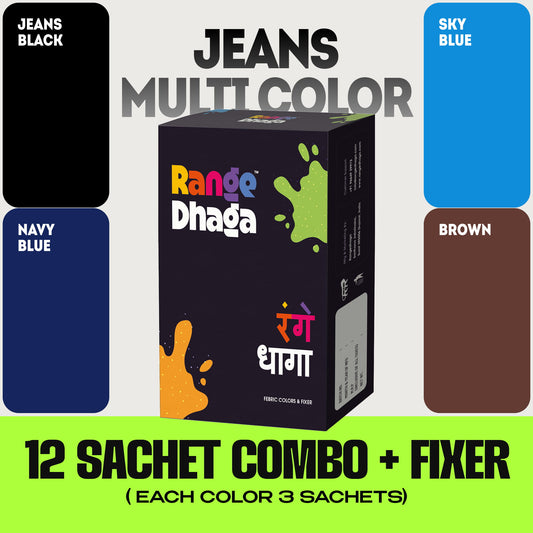
For the best home dyeing results, you need both a quality fabric dye and a dye fixer. Browse our range of fabric dyes and colour fixatives — everything you need to get vibrant, long-lasting colour on your favourite clothes. Whether you're dyeing cotton kurtas, denim jeans, or silk sarees, we have the right products for every fabric and every colour.
Tags:
Previous
How to Dye Black Clothes: Complete Guide for Indian Fabrics
Next
Best Fabric Dye for Jeans: How to Get Perfect Black Jeans at Home